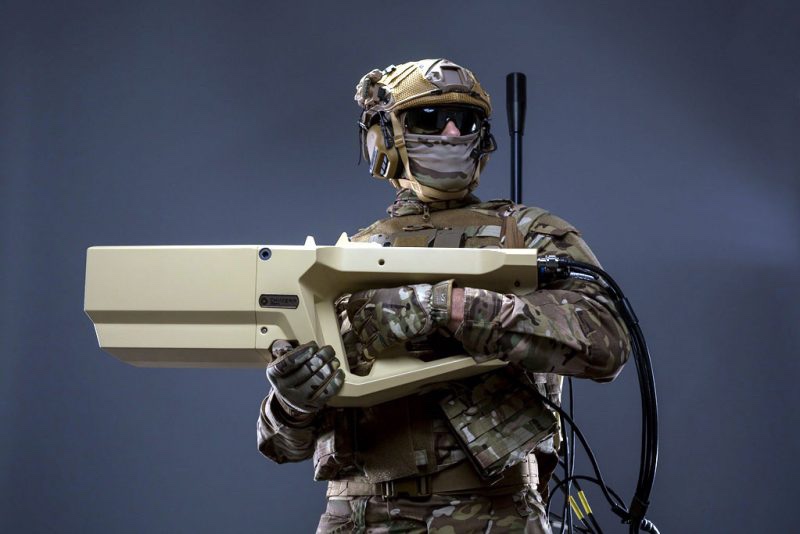
An anti-drone system is designed to detect, identify, and neutralize unauthorized drones in a given area. Here are some general steps to consider when designing an anti-drone system:
- Assess the threat: Determine the potential threats posed by drones in your area, including the risk of physical damage, invasion of privacy, or illegal activities.
- Select detection technology: Choose the appropriate detection technology to identify drones in your area. Common detection methods include radar, radio frequency (RF) detection, and visual detection.
- Choose identification methods: Once a drone is detected, it needs to be identified. Identification methods can include visual or RF identification, which can help determine the type of drone and its level of threat.
- Select neutralization methods: Depending on the level of threat, neutralization methods can include jamming, spoofing, or physical interception. It is important to ensure that any neutralization methods used are legal and safe.
- Develop an integration strategy: To ensure the effectiveness of your anti-drone system, it needs to be integrated with other security systems, such as CCTV or access control systems. This integration can help provide a more comprehensive security approach.
- Test and evaluate: Once the anti-drone system is designed and integrated, it needs to be tested and evaluated to ensure its effectiveness in detecting and neutralizing drones.
It is also important to consider the legal and ethical implications of an anti-drone system, including potential interference with authorized drone operations and invasion of privacy concerns. It is recommended to seek legal advice and consult with local authorities before designing and deploying an anti-drone system.
 Orion Technology